The Hidden Threat Beneath the Waterline
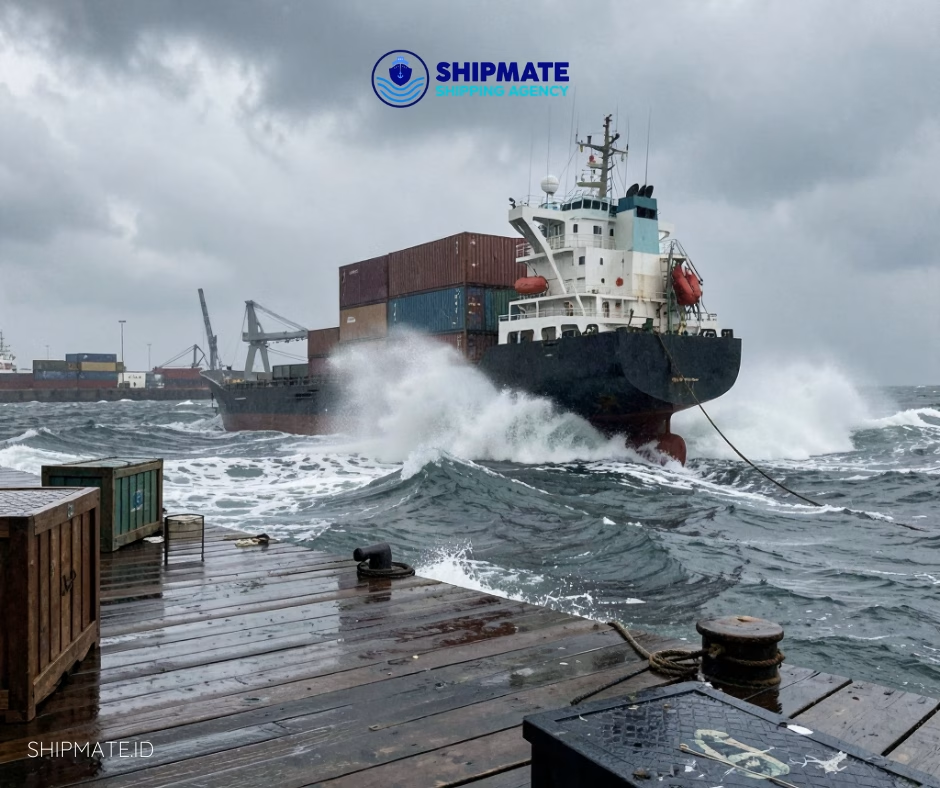
Imagine approaching port after weeks at sea, only to be turned away because your ship’s hull is too dirty. Sounds extreme? It’s happening. Countries worldwide—including Australia, New Zealand, and several Pacific nations—now enforce strict biosecurity regulations that can literally refuse entry to vessels with heavily fouled hulls. What starts as invisible marine growth can end with denied port access, costly delays, and significant penalties.
What is Underwater Hull Cleaning?
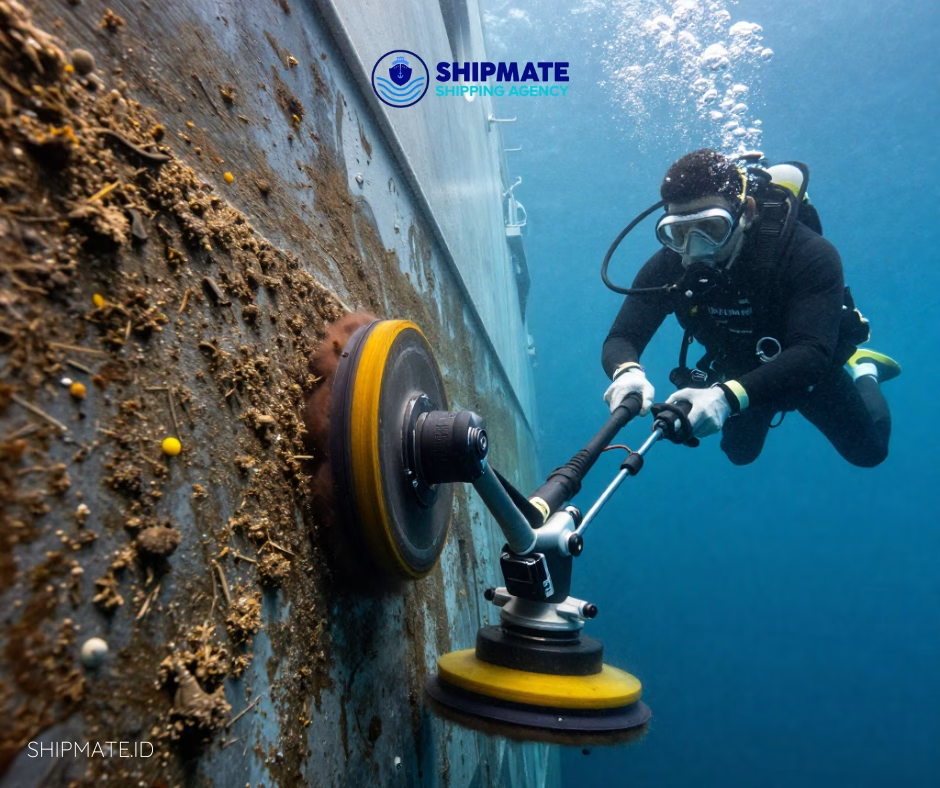
Underwater hull cleaning involves specialized divers and equipment removing marine growth—barnacles, algae, mussels, and other organisms—from a vessel’s submerged surfaces without drydocking. This isn’t just maintenance; it’s operational necessity and environmental responsibility combined.
Marine fouling accumulates surprisingly fast. Within weeks, microorganisms form biofilm. Within months, hard-shelled barnacles attach permanently. Left unchecked, this biofouling creates multiple serious problems that extend far beyond aesthetics.
The Real Consequences of a Dirty Hull
Biosecurity Risks and Port Entry Denial Here’s the critical fact many shipowners learn too late: numerous countries strictly regulate biofouling to prevent invasive marine species transfer. Australia’s biosecurity regulations, for example, can deny entry, require immediate cleaning before berthing, or impose substantial fines for vessels with significant hull fouling. New Zealand, California, and Pacific Island nations enforce similar restrictions. Your ship could be turned away at the 12-mile limit, forced to clean at anchorage, or face penalties exceeding USD 50,000.
Fuel Efficiency Destruction Even moderate hull fouling increases fuel consumption by 20-30%. Heavy fouling? Up to 40% more fuel burned. For a vessel consuming 50 tons daily, that’s an additional 10-20 tons wasted—translating to thousands of dollars lost every single day.
Operational Speed Reduction Fouling creates drag that reduces maximum speed by 1-3 knots, affecting schedule reliability and charter obligations.
When and Where Should Cleaning Happen?
Ideally, underwater cleaning occurs every 3-6 months depending on vessel activity, water temperature, and previous coating condition. Many shipowners schedule cleaning during cargo operations or while at anchor, minimizing downtime. Strategic ports like Batam, Sumatera, Jawa, Kalimantan and Sulawesi offer excellent facilities for this service—positioned perfectly for vessels transiting between biosecurity-strict regions.
Professional Services Make the Difference
Underwater hull cleaning requires certified commercial divers, specialized equipment including ROVs (Remotely Operated Vehicles), environmentally-compliant cleaning methods, and proper waste capture systems. Professional services ensure cleaning meets international standards without damaging anti-fouling coatings or violating environmental regulations.
ShipMate in Batam, Sumatera, Jawa, Kalimantan and Sulawesi coordinates comprehensive underwater hull cleaning services, connecting vessels with certified providers who understand both technical requirements and regulatory compliance. Our ship agency services ensure your hull condition meets destination country biosecurity standards before you sail—preventing costly port entry denials.
Don’t risk port entry denial or fuel waste. Click [ShipMate Underwater Cleaning Pricelist] to view ShipMate Shipping Agency’s underwater cleaning price list. Visit shipmate.id and ensure your vessel’s hull meets global standards.
Clean hull, clear passage—that’s our commitment.